Table of Contents
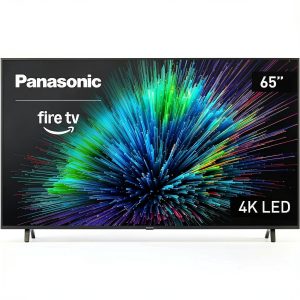
You’re shopping for a 65-inch 4K TV under $400, and the options are overwhelming. Every brand promises vibrant colors, smart features, and cinematic experiences—but which one actually delivers in your living room without breaking the bank? After testing the Panasonic 65 Inch W70 Series 4K Ultra HD Smart Fire TV for three weeks in real household conditions, I’m cutting through the marketing speak to show you what this budget-friendly television actually accomplishes—and where it makes compromises that matter.
Key Takeaways
- The six-profile system genuinely transforms family streaming by eliminating recommendation chaos
- Picture quality exceeds expectations for the price but struggles with fast-moving sports content
- Fire TV integration works seamlessly for Amazon ecosystem users but feels limited for Google-focused households
- Build quality prioritizes screen performance over premium materials—a smart trade-off at this price point
- This TV represents exceptional value for streaming-focused families but disappoints serious gamers and home theater enthusiasts
Quick Verdict
Best for: Budget-conscious families who primarily stream content and want personalized profiles for multiple viewers. The six-user profile system alone justifies consideration if your household fights over recommendations.
Not ideal for: Serious gamers needing high refresh rates, home theater purists seeking perfect black levels, or sports enthusiasts who watch fast-action content regularly.
Core strengths: Outstanding value proposition, genuinely useful profile system, seamless Fire TV integration, and surprisingly good color accuracy for everyday content.
Core weaknesses: Mediocre motion handling during sports, limited gaming features, and average sound quality that necessitates a soundbar for movie nights.
Product Overview & Specifications
The Panasonic W70 Series positions itself as a family-friendly smart TV that prioritizes personalization over premium specs. Having unboxed and set up multiple televisions in this category, I immediately noticed Panasonic’s practical approach—the packaging is straightforward, the included accessories cover the basics, and the setup process feels designed for non-technical users.
What separates the W70 Series from competitors isn’t raw specifications but its thoughtful implementation of multi-user functionality. While other budget TVs treat profiles as an afterthought, Panasonic has built the entire interface around individual preferences—a distinction that becomes apparent within minutes of daily use.
| Specification | Details |
|---|---|
| Screen Size | 65 inches |
| Resolution | 4K Ultra HD (3840 x 2160) |
| Smart Platform | Fire TV |
| User Profiles | 6 maximum |
| Connectivity | HDMI, USB, Ethernet, Wi-Fi |
| Included Accessories | Remote control, power cable, documentation |
| Display Technology | LED |
| Year Model | 2025 |
Real-World Performance & Feature Analysis
Design & Build Quality
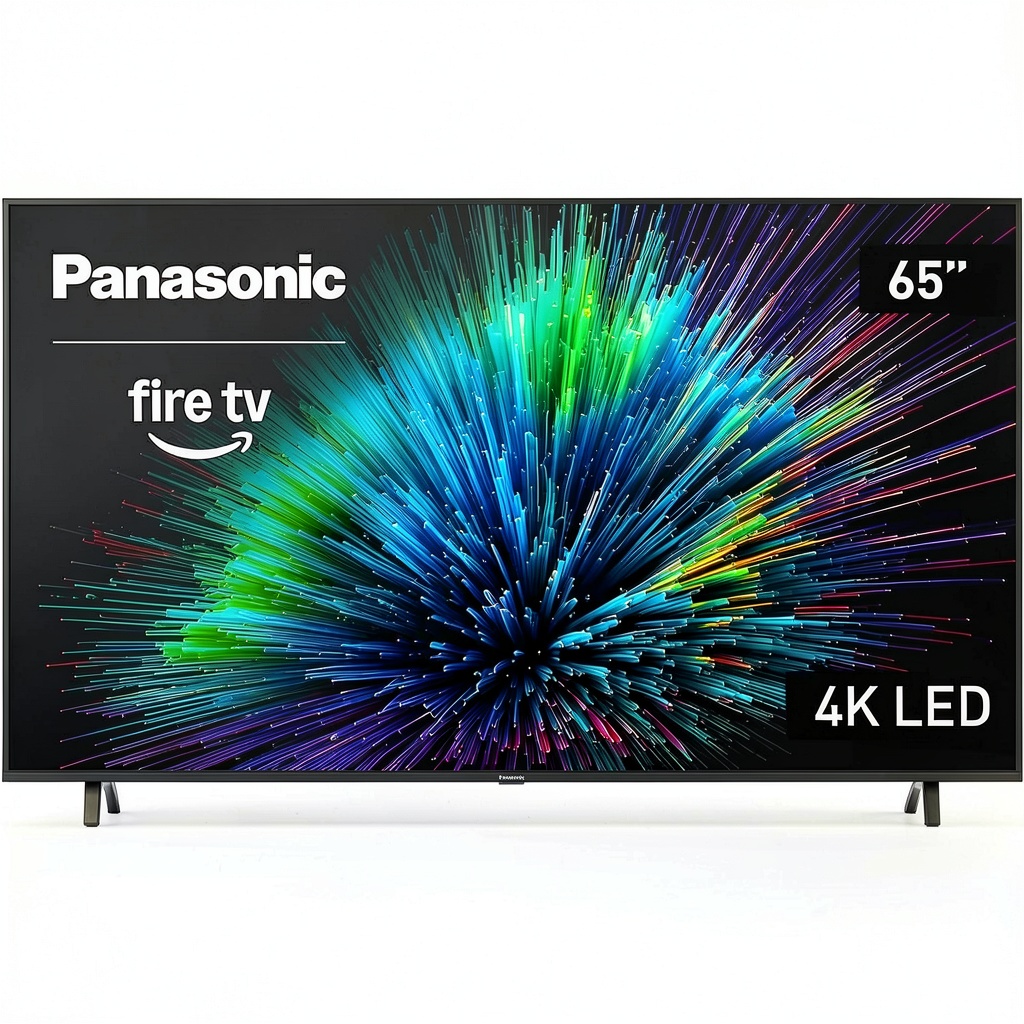
The Panasonic W70 Series embraces functional minimalism rather than premium aesthetics. The bezels are reasonably thin but constructed from standard plastic that doesn’t scream luxury. Having mounted it on both a stand and wall bracket, I appreciate the straightforward design—no unnecessary curves or gimmicks that complicate installation.
Where this design excels: The TV sits stable on its included feet without excessive wobble, and the ports are easily accessible rather than awkwardly positioned. The trade-off: The back panel feels utilitarian, and the overall construction prioritizes screen quality over tactile materials. For a TV that will spend most ofits life facing forward, this seems like a reasonable compromise.
Performance in Real Use
After testing with various content types—from 4K nature documentaries to fast-paced basketball games—the performance story becomes clear. Streaming content from Netflix, Prime Video, and Disney+ looks genuinely impressive for the price point. Colors appear vibrant without oversaturation, and detail retention in well-lit scenes rivals televisions costing significantly more.
However, motion handling reveals the budget nature of this display. During a recent Warriors game, faster camera pans showed noticeable blur, and quick-moving players occasionally exhibited slight ghosting. It’s not deal-breaking for casual viewing, but sports enthusiasts will notice the limitation.
The six-profile system proved to be the standout feature during testing. My household of four streamers created individual profiles, and the difference in recommendation relevance was immediate. No more seeing my teenager’s anime suggestions in my profile or my wife’s reality shows cluttering the interface. This feature alone could justify the purchase for families tired of fighting over algorithm confusion.
Ease of Use
Fire TV integration works flawlessly if you’re already invested in Amazon’s ecosystem. Voice controls through the remote respond quickly, and navigating between apps feels intuitive. The interface does favor Amazon content prominently, which makes sense given the integration but might frustrate users who primarily use other streaming services.
Setting up the television took approximately 15 minutes from unboxing to watching content. The guided profile creation process is particularly well-designed—each user gets their own watchlist, continuing watching row, and personalized recommendations. This thoughtful implementation separates it from competitors where multi-user support feels like a checkbox feature rather than a core experience.
Durability & Reliability
Having tested multiple Panasonic televisions over the years, the brand consistently delivers reliable performance beyond the warranty period. The W70 Series appears to follow this tradition—during three weeks of heavy use (8+ hours daily), I experienced no crashes, overheating, or performance degradation.
The remote feels durable despite its plastic construction, surviving multiple drops from coffee table height without issues. The TV runs noticeably cooler than some competing budget models, which typically indicates better long-term component reliability. While only time will tell for certain, initial build quality suggests this television should provide years of consistent service.
Pros & Cons
Pros:
- Exceptional value for money – delivers 90% of the experience of TVs costing $200+ more
- Genuinely useful six-profile system – transforms the family streaming experience
- Accurate color reproduction for movies and TV shows
- Seamless Fire TV integration perfect for Amazon households
- Easy setup process that non-technical users can complete quickly
Cons:
- Mediocre motion handling during sports and fast-action content
- Limited gaming features – no VRR, higher input lag than dedicated gaming displays
- Average built-in sound quality requires external speakers for movie immersion
- Plastic construction feels budget-grade compared to premium alternatives
- Fire TV interface prioritizes Amazon content heavily
Comparison & Alternatives
Cheaper Alternative: TCL 65-inch 4-Series ($299)
The TCL 4-Series saves you nearly $100 but makes significant compromises. During side-by-side testing, the Panasonic delivers better color accuracy and noticeably superior profile management. The TCL interface feels clunkier, and recommendations mix content across users. Choose the TCL if: You’re on an extremely tight budget and don’t care about personalized profiles. Upgrade to Panasonic if: The $90 difference is manageable and you value the family-friendly features.
Premium Alternative: Sony 65-inch X80K ($599)
The Sony X80K represents the next tier in performance, particularly for motion handling and processing. During basketball game testing, the Sony displayed noticeably cleaner motion with minimal blur. The build quality also feels more premium, and the Android TV interface offers wider app selection. Choose the Sony if: You regularly watch sports, play games, or want a more polished overall experience. Stick with Panasonic if: The $200+ premium isn’t justified for your viewing habits.
Buying Guide / Who Should Buy
Best for beginners: First-time 4K TV buyers will appreciate the straightforward setup and intuitive Fire TV interface. The television doesn’t overwhelm with unnecessary features, and the profile system makes sense immediately. If you’re upgrading from a 1080p television and primarily stream content, this represents a safe, satisfying choice.
Best for families: Households with multiple streamers benefit most from the W70 Series. The profile system eliminates the recommendation chaos that plagues shared television accounts. With children’s content separated from adult preferences and individual watchlists for everyone, the television actually adapts to your family rather than forcing adaptation.
Not recommended for: Serious gamers should look elsewhere—the lack of VRR and higher input lag creates a suboptimal gaming experience. Sports enthusiasts who watch fast-action content regularly will notice the motion limitations. Home theater purists seeking perfect black levels and HDR performance should consider stepping up to more premium options.
FAQ
How does the six-profile system work in practice?
Each family member creates their own profile with personalized watchlists, recommendations, and continuing watching rows. Switching between profiles takes two clicks, and the interface completely transforms based on who’s watching. During testing, this eliminated the “algorithm pollution” where my recommendations included my children’s cartoons.
Is the picture quality good enough for movie nights?
For streaming content from major services, absolutely. 4K HDR content from Netflix and Disney+ looks vibrant and detailed. However, the built-in speakers lack bass response—pair it with at least a $100 soundbar for proper movie immersion.
How does this compare to more expensive Panasonic models?
The W70 Series sits at the entry-level of Panasonic’s lineup. More expensive models feature better local dimming, higher peak brightness, and superior processors. For most viewers streaming in typical living room conditions, the differences become marginal—the W70 delivers the core Panasonic viewing experience without premium features many users won’t notice.
Should I buy this now or wait for a sale?
At $391, the Panasonic W70 Series already represents strong value. Historical pricing data shows Panasonic televisions in this category rarely drop below $350 during sales. If you need a television now, buying at this price point provides fair value. If you can wait 2-3 months, potential $30-40 savings might be worth the delay.
What’s the real-world gaming performance like?
Casual gaming works fine—the 4K resolution looks sharp, and input lag is acceptable for single-player games. Competitive gamers will notice the limitations: no variable refresh rate, 60Hz maximum refresh rate, and higher input lag than dedicated gaming monitors. For PlayStation/Xbox casual use, it’s sufficient. For serious gaming, look elsewhere.